1 Chronicles 21-22 Introduction
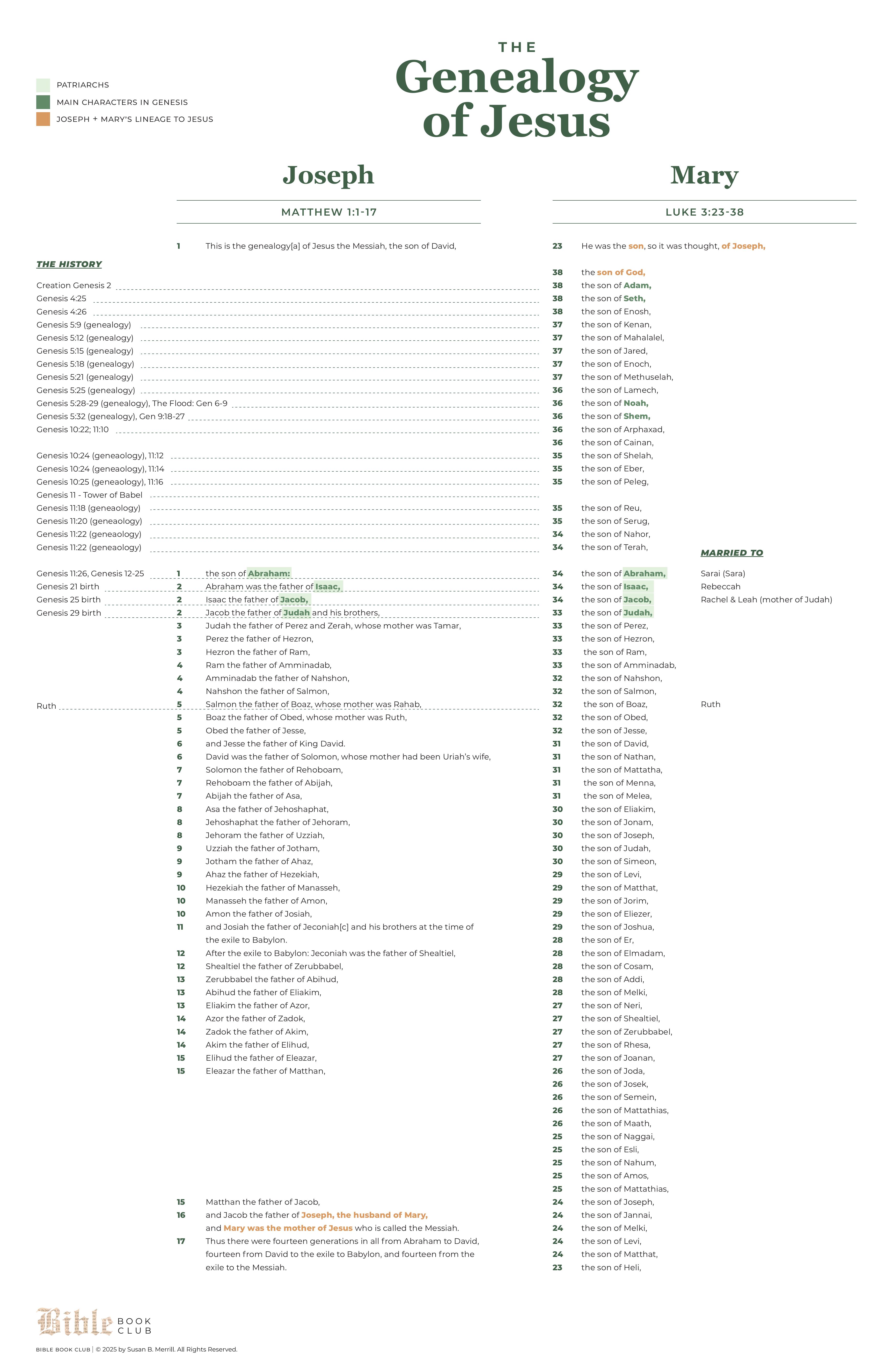
The Chronicler is in the middle of telling the exiles the story of their past so they can have hope for their future. Because of the hope he wants to instill, he has been selective in telling David’s story. A story that he hopes will end in a future king. A Messiah, one who will save them, from the line of David.
The Chronicler isn’t really hiding David’s personal flaws. Those stories were documented by Samuel. Samuel was focused on the Kingship and heart of the man anointed to be king. He documented David’s family failings:
- Bathsheba and Uriah.
- Amon and Tamar.
- Absalom’s Rebellion.
- Adonijah’s Rebellion.
David was not perfect. He was a foreshadowing of the perfect king to come, but as much as he loved the Lord, he still failed. The Chronicler intentionally does not highlight the flaws, because the people do not need an excuse to think they, too, will fail. They have enough opposition facing them. God promised a Messiah, and the Chronicler wants them to focus on that. Despite any past failings, there is hope.
So the Chronicler only documents two of David’s mistakes. The first mistake, we discussed back in our 1 Chronicles 13-15 commentary, was when David attempted to move the Ark without following the Law stated by Moses. The second, a census, we will discuss in this commentary.
Why are these two singled out? What do they have to do with Israel’s future? Both of David’s sins, as highlighted by the Chronicler, have public and religious significance.
- The first mistake was crucial to worship. David did what he thought best for the Ark without reading the Law or consulting God.
- The second mistake is crucial to Godly leadership. David was going to do what he thought best for the country without consulting God.
Scene 1: David Makes a Crucial Leadership Mistake
1 Chronicles 21:1-7
1 Satan rose up against Israel and incited David to take a census of Israel. 2 So David said to Joab and the commanders of the troops, “Go and count the Israelites from Beersheba to Dan. Then report back to me so that I may know how many there are.”
3 But Joab replied, “May the Lord multiply his troops a hundred times over. My lord the king, are they not all my lord’s subjects? Why does my lord want to do this? Why should he bring guilt on Israel?”
4 The king’s word, however, overruled Joab; so Joab left and went throughout Israel and then came back to Jerusalem. 5 Joab reported the number of the fighting men to David: In all Israel there were one million one hundred thousand men who could handle a sword, including four hundred and seventy thousand in Judah.
6 But Joab did not include Levi and Benjamin in the numbering, because the king’s command was repulsive to him. 7 This command was also evil in the sight of God; so he punished Israel.
Satan in the Old Testament
Interesting fact: Satan is only mentioned directly three times in the Old Testament, although he is much more active in the New Testament. In Hebrew, Satan means adversary, opponent, enemy. Not much is known about his origin, other than in Isaiah it says of him:
Isaiah 14:12-15 12 How you have fallen from heaven, morning star, son of the dawn! You have been cast down to the earth, you who once laid low the nations! 13 You said in your heart, “I will ascend to the heavens; I will raise my throne above the stars of God; I will sit enthroned on the mount of assembly, on the utmost heights of Mount Zaphon. 14 I will ascend above the tops of the clouds; I will make myself like the Most High.” 15 But you are brought down to the realm of the dead, to the depths of the pit.
The Bible is clear about Satan’s function here and elsewhere. It is always to oppose God. The fact that Satan incited David does not excuse David from fault. God allowed Satan to incite David. God is in control of all things, even the enemy. But David is responsible for failing the test. Satan is the author of temptation, and every temptation is a test.
It is interesting to note that it says, “Satan rose up against Israel and incited David,” implying that it was really Israel that Satan is after. But David is the heart of Israel, and the enemy knows that. So Satan went after David's heart. All the while God watched. Why didn’t He protect David from this spiritual enemy as he had from so many earthly enemies? Neither 1 Chronicles nor 2 Samuel offers a reason why God was angry with Israel and/or David in the first place.
The point is, in Genesis 3 there was the fall, and therefore we are all fallen. David, like us, was born with a nature prone to sin. Satan takes advantage of our condition by looking for just the right place to tempt us. For David, so far, the major weakness has been his desire for a woman.
Why did Satan incite David to take a census of Israel?
In this story, David’s calling as a warrior led to pride. It is so easy for success to go to our head. So David fell and ordered Joab to take a census of his men fit for war. A census was typically conducted for military purposes or for taxes. This census was taken for a military count.
Many commentaries suggest the problem with this military count was David's motive. David may have allowed his pride to ignite his curiosity about his infamous army. Just how many men could he boast of? Joab's reaction supports this assumption. He begged David not to do it, saying:
1 Chronicles 21:3 3 …Why does my lord want to do this? Why should he bring guilt on Israel?”
If Joab knew it was wrong, it had to be a pretty blatant sin. Because Joab was ruthless, and as the leader of the army, he would have been exalted in the number too. In fact, this was a role reversal. In several other stories, it was David who admonished Joab to do what was right. Why didn't David care? Because Satan rose against him and sought out a weak spot. He found it, and God, who had a perfect plan, allowed it to happen.
Which tribes did Joab exclude from the census and why?
Joab obeyed David but stopped short. He was not going to count God's holy men, the Levites, and he didn't count the tribe of Benjamin, maybe because their land included holy ground. Gibeon, where the Tabernacle was located, and Jerusalem, where the Ark was located.
Where there is sin, there are consequences, but this consequence has a redeeming twist.
Scene 2: David Repents and Must Choose a Consequence
1 Chronicles 21:8-13
8 Then David said to God, “I have sinned greatly by doing this. Now, I beg you, take away the guilt of your servant. I have done a very foolish thing.”
9 The Lord said to Gad, David’s seer, 10 “Go and tell David, ‘This is what the Lord says: I am giving you three options. Choose one of them for me to carry out against you.’”
11 So Gad went to David and said to him, “This is what the Lord says: ‘Take your choice: 12 three years of famine, three months of being swept away \[ a \] before your enemies, with their swords overtaking you, or three days of the sword of the Lord—days of plague in the land, with the angel of the Lord ravaging every part of Israel.’ Now then, decide how I should answer the one who sent me.”
13 David said to Gad, “I am in deep distress. Let me fall into the hands of the Lord, for his mercy is very great; but do not let me fall into human hands.”
David’s Confession
David sinned, but David does not disappoint. He repented. Note, there are only two places where David said the words "I have sinned." It is interesting that one confession occurred in a family sin in 2 Samuel 12 for his affair with Bathsheba and the murder of Uriah. This sin, the second, is a public or administrative sin.
What three punishment options did God give David for his sin?
God gave David a choice of consequences: three years of famine, three months of war, or three days of plague. Again, David does not disappoint. He trusts in the Lord. He wants God to make the choice. He does not trust himself. And God chooses.
Scene 3: The Plague of Guilt
1 Chronicles 21:14-17
14 So the Lord sent a plague on Israel, and seventy thousand men of Israel fell dead. 15 And God sent an angel to destroy Jerusalem. But as the angel was doing so, the Lord saw it and relented concerning the disaster and said to the angel who was destroying the people, “Enough! Withdraw your hand.” The angel of the Lord was then standing at the threshing floor of Araunah \[ a \] the Jebusite.
16 David looked up and saw the angel of the Lord standing between heaven and earth, with a drawn sword in his hand extended over Jerusalem. Then David and the elders, clothed in sackcloth, fell facedown.
17 David said to God, “Was it not I who ordered the fighting men to be counted? I, the shepherd, \[ b \] have sinned and done wrong. These are but sheep. What have they done? Lord my God, let your hand fall on me and my family, but do not let this plague remain on your people.”
How many people died in the plague caused by David's census?
Seventy thousand people died as David watched. What torture it must have been for David, who considered himself a shepherd, to watch people die before him in pain, and to carry the guilt that it was his fault. Because of his pride. He was the guilty one.
Then just as that angel reached him and those with him fell facedown waiting to face their death, the Angel of Death stopped. David cried out:
1 Chronicles 21:17 … 17 I, the shepherd, have sinned and done wrong. These are but sheep. What have they done? Lord my God, let your hand fall on me and my family, but do not let this plague remain on your people.”
Almost in alarm, he accused the angel: Don’t spare me! I am the guilty one. My sheep are innocent.
- Take me.
- Take my family.
- Take the line of David that you have promised will be on the throne forever.
Because I, David, have failed to keep the covenant. I have loved myself more than I have loved you. But God had other plans. God was faithful to:
- The Israelites who broke the covenant over and over again.
- Abraham, who didn't trust and lied.
- Moses who disobeyed in frustration.
- David, whose heart was a strength and a weakness.
- Us, no matter how many times we fall.
We fall, and God saves. God saved the line of David because God had a plan to save us through David.
Scene 4: God's Hand of Mercy
1 Chronicles 21:18-27
18 Then the angel of the Lord ordered Gad to tell David to go up and build an altar to the Lord on the threshing floor of Araunah the Jebusite. 19 So David went up in obedience to the word that Gad had spoken in the name of the Lord.
20 While Araunah was threshing wheat, he turned and saw the angel; his four sons who were with him hid themselves. 21 Then David approached, and when Araunah looked and saw him, he left the threshing floor and bowed down before David with his face to the ground.
22 David said to him, “Let me have the site of your threshing floor so I can build an altar to the Lord, that the plague on the people may be stopped. Sell it to me at the full price.”
23 Araunah said to David, “Take it! Let my lord the king do whatever pleases him. Look, I will give the oxen for the burnt offerings, the threshing sledges for the wood, and the wheat for the grain offering. I will give all this.”
24 But King David replied to Araunah, “No, I insist on paying the full price. I will not take for the Lord what is yours, or sacrifice a burnt offering that costs me nothing.”
25 So David paid Araunah six hundred shekels \[ a \] of gold for the site. 26 David built an altar to the Lord there and sacrificed burnt offerings and fellowship offerings. He called on the Lord, and the Lord answered him with fire from heaven on the altar of burnt offering.
27 Then the Lord spoke to the angel, and he put his sword back into its sheath.
Threshing Floors
Threshing floors were often built on hilltops so when the grain was tossed into the air the wind would blow the chaff, and the heavier kernels would fall to the ground to be collected. David had probably gone to Araunah's threshing floor during the plague because of the view it provided him. We discussed this hilltop, also known as Mount Moriah, in our Genesis 22-23 commentary.
Mount Moriah is also the place where Abraham almost sacrificed his son Isaac, and God provided a ram for the sacrifice at the last minute. In this story, on Mount Moriah, David offered to sacrifice his family for the people of Jerusalem. In both cases, an Angel of the Lord saved them. And on this same threshing floor, on Mount Moriah, Solomon built the Temple. A place for worship and the forgiveness of sins.
2 Chronicles 3:1 1 Then Solomon began to build the temple of the Lord in Jerusalem on Mount Moriah, where the Lord had appeared to his father David. It was on the threshing floor of Araunah the Jebusite, the place provided by David.
Bible Bender
Think about this. Spiritually, it was divinely brilliant to build the Temple on a threshing floor.
What is the significance of building the Temple on a threshing floor?
Threshing floors were a place of separation. The grain was separated from the chaff. The grain, the good stuff of the bread of life, was separated from the bad. In the Temple, God would deal with the separation between God and man. The separation that came when they were banned from Eden.
That is why the Temple had so many decorative features of the Garden of Eden. To remind them that this Temple was a place of atonement for the sin that separated them from God in the garden.
The Temple was God's threshing floor.
It was where God dealt with Israel's sin, the chaff, the cause of their separation from Him, and provided them with life, the grain that makes bread. And who is the final act in overcoming that separation? The Bread of Life.
John 6:35 35 Then Jesus declared, “I am the bread of life. Whoever comes to me will never go hungry,
Jesus is the seed, promised at the Fall, that becomes the bread.
Genesis 3:15 15 And I will put enmity between you and the woman, and between your offspring and hers; he will crush your head, and you will strike his heel.”
Many years later, well after our Chronicler was gone, just yards from that same threshing floor on Mount Moriah, Jesus died on the cross. Like David, He saw Himself as a shepherd of the people. He said in John 10:
John 10:11 11 “I am the good shepherd. The good shepherd lays down his life for the sheep.
Like David, Like Jesus.
David, the imperfect king with a heart for the Lord, was the foreshadowing of the perfect King. But David couldn't save. He wasn't the seed. Only God's Son, the seed, could save. Jesus is the seed promised in Genesis that became the bread of life and ended our separation from God on a threshing floor.
- The grain from the chaff.
- The good from the bad.
- God from man.
It all came to an end, and we now have the Bread of Life and a ticket into an eternity in the kingdom of God. Which sounds like an upgrade from the Garden of Eden to me!
Mount Moriah’s Story of Redemption
Mount Moriah has a story to tell. A story of redemption.
- Abraham's son Isaac was saved on Mount Moriah when God provided a ram to die in Isaac's place after three days.
- The people of Jerusalem and David's family were saved on Mount Moriah when God halted the angel after a plague of three days.
- We were saved when Jesus died for our sins on Mount Moriah and rose again after three days.
Lots of threes. Coincidental? I think not. This story is all one divinely brilliant plan.
- God chose one family: Abraham's
- God made that one family a nation: Israel
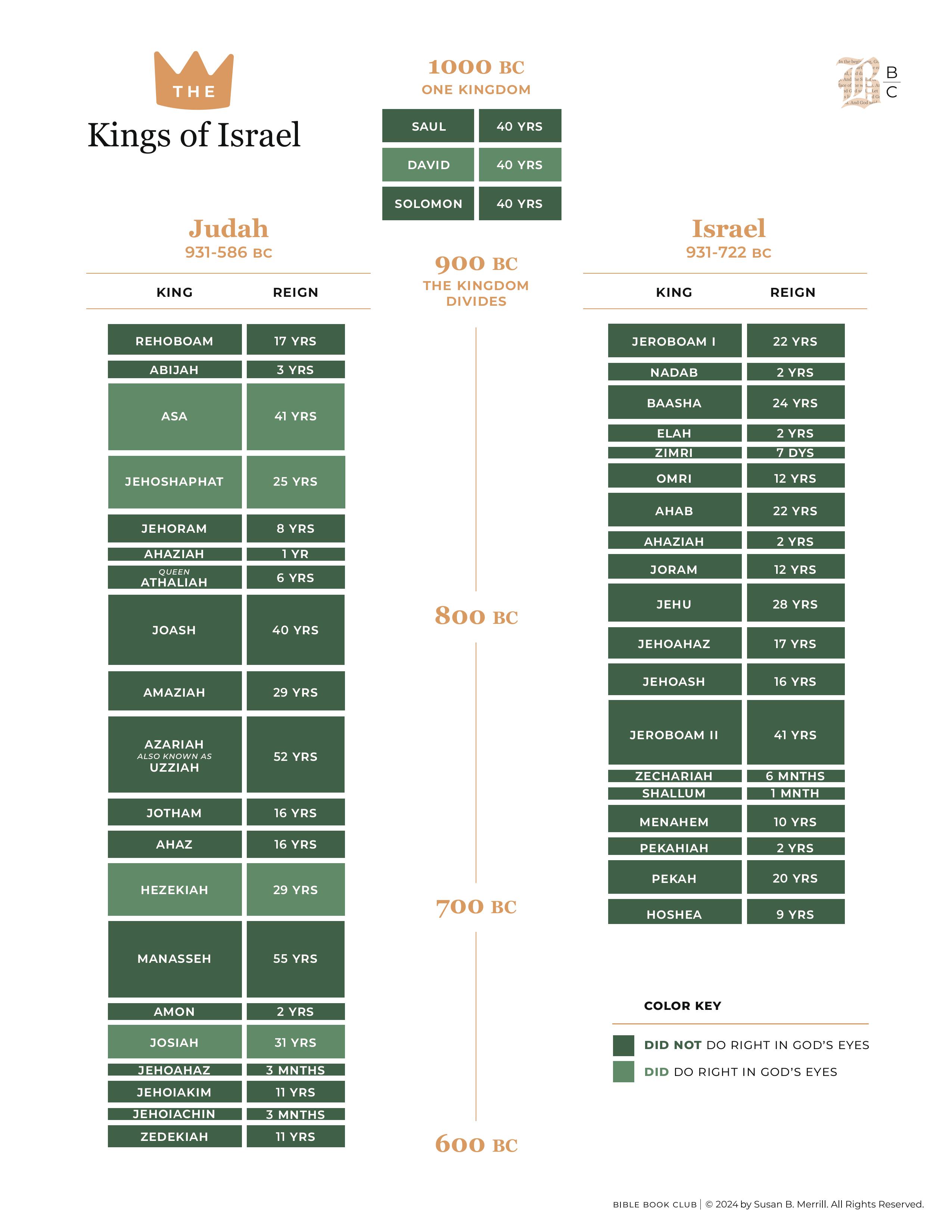
- God chose a man from Israel to be king: David
- God provided a savior, the seed from David's line, to save the world: Jesus
Scene 5: An Altar Gift of Grace
1 Chronicles 21:28-30
28 At that time, when David saw that the Lord had answered him on the threshing floor of Araunah the Jebusite, he offered sacrifices there. 29 The tabernacle of the Lord, which Moses had made in the wilderness, and the altar of burnt offering were at that time on the high place at Gibeon. 30 But David could not go before it to inquire of God, because he was afraid of the sword of the angel of the Lord.
1 Chronicles 22:1
1 Then David said, “The house of the Lord God is to be here, and also the altar of burnt offering for Israel.”
God is Faithful
God's grace turned the sin into a gift of redemption. The House of the Lord, the Temple, would be on the very spot where David's sin had almost destroyed Israel and where God had delivered His people once again. It was a place of forgiveness where sin and all its consequences could be removed.
Satan provoked the sin. God redeemed the sin. And the sinner. Then, now, and in the future, God is faithful.
Scene 6: David Preps for Building the Temple
For the rest of our 1 Chronicles Bible study, the author’s main concern is worship, and that means the Temple. This Temple theme jumps out at us nine times in the next 17 verses. Over and over, we will read the phrase “build a house for the Lord.”
This was a passion project for David, and his one concern was that Solomon would do it as he would have done it if the Lord had only allowed. This was the fulfillment of years of prophecy, and to David it had to be perfect. First, David provided the resources to build the Temple.
1 Chronicles 22:2-19
2 So David gave orders to assemble the foreigners residing in Israel, and from among them he appointed stonecutters to prepare dressed stone for building the house of God. 3 He provided a large amount of iron to make nails for the doors of the gateways and for the fittings, and more bronze than could be weighed. 4 He also provided more cedar logs than could be counted, for the Sidonians and Tyrians had brought large numbers of them to David.
5 David said, “My son Solomon is young and inexperienced, and the house to be built for the Lord should be of great magnificence and fame and splendor in the sight of all the nations. Therefore I will make preparations for it.” So David made extensive preparations before his death.
6 Then he called for his son Solomon and charged him to build a house for the Lord, the God of Israel. 7 David said to Solomon: “My son, I had it in my heart to build a house for the Name of the Lord my God. 8 But this word of the Lord came to me: ‘You have shed much blood and have fought many wars. You are not to build a house for my Name, because you have shed much blood on the earth in my sight. 9 But you will have a son who will be a man of peace and rest, and I will give him rest from all his enemies on every side. His name will be Solomon, \[ a \] and I will grant Israel peace and quiet during his reign. 10 He is the one who will build a house for my Name. He will be my son, and I will be his father. And I will establish the throne of his kingdom over Israel forever.’
11 “Now, my son, the Lord be with you, and may you have success and build the house of the Lord your God, as he said you would. 12 May the Lord give you discretion and understanding when he puts you in command over Israel, so that you may keep the law of the Lord your God. 13 Then you will have success if you are careful to observe the decrees and laws that the Lord gave Moses for Israel. Be strong and courageous. Do not be afraid or discouraged.
14 “I have taken great pains to provide for the temple of the Lord a hundred thousand talents \[ b \] of gold, a million talents \[ c \] of silver, quantities of bronze and iron too great to be weighed, and wood and stone. And you may add to them. 15 You have many workers: stonecutters, masons and carpenters, as well as those skilled in every kind of work 16 in gold and silver, bronze and iron—craftsmen beyond number. Now begin the work, and the Lord be with you.”
17 Then David ordered all the leaders of Israel to help his son Solomon. 18 He said to them, “Is not the Lord your God with you? And has he not granted you rest on every side? For he has given the inhabitants of the land into my hands, and the land is subject to the Lord and to his people. 19 Now devote your heart and soul to seeking the Lord your God. Begin to build the sanctuary of the Lord God, so that you may bring the ark of the covenant of the Lord and the sacred articles belonging to God into the temple that will be built for the Name of the Lord.”
Temple Plans
David had everything he needed to begin construction prep. He knew who the builder would be: Solomon. He knew the location of the building: Mount Moriah. All that was left was to provide the resources and the plan. And he was on it.
What resources did David prepare for Solomon's construction of the temple?
David arranged for stonecutters, iron for nails, bronze, and cedar logs. It must have been a huge pile, because all was provided in quantities too great to be counted. All stockpiled and awaiting David’s death so Solomon could start, which seems kind of morbid. With all the resources accumulating, David prepared Solomon to build the Temple .
The Moses and David Comparison
- Note the pointed leadership baton pass comparison to Moses and Joshua. David said to Solomon what Moses said to Joshua.
Deuteronomy 31:7-8 7 Then Moses summoned Joshua and said to him in the presence of all Israel, “Be strong and courageous, for you must go with this people into the land that the Lord swore to their ancestors to give them, and you must divide it among them as their inheritance. 8 The Lord himself goes before you and will be with you; he will never leave you nor forsake you. Do not be afraid; do not be discouraged.”
What leadership advice did David give Solomon before his death?
Be strong and courageous, do not be afraid, do not be discouraged. Note to self: I think I need to say this more to:
- My adult children.
- My grandchildren.
- My friends.
- Those suffering.
- Myself.
- Many commentaries consider David as a type of Moses due to the numerous parallels. In this story, one parallel would be that God gave Moses the plans for the Tabernacle, and God gave David the plans for the Temple. But there are so many more:
- Both Moses and David were literally shepherds before they were leaders, and both saw themselves as shepherds of the people after they became leaders.
- Both had extended periods of exile and testing. Moses led the Israelites for 40 years in the wilderness. David led an army for about a decade, hiding in the wilderness from Saul.
- Both were flawed but forgiven. Moses disobeyed God at Meribah and was barred from the Promised Land. David had an affair and lost a child. Both repented, were forgiven, and continued to do great work for God.
- Both are associated with a covenant. The Mosaic Covenant provided the laws for a relationship with God. The Davidic Covenant provided the hope for an eternal relationship.
And all covenants, like David, lead to the one that counts: Jesus and the new covenant, where our journey will end.
The story continues in our 1 Chronicles 23-27 commentary!
Group Discussion Questions for 1 Chronicles 21-22
- Satan used David’s greatest calling and success as a warrior to spark pride and self-reliance. How has one of your own strengths or seasons of success quietly become a spot where pride or temptation could slip in?
- David had to watch his "sheep" suffer because of his bad choices. Many of us carry guilt over how our decisions have affected our children, spouses, or friends. What does it mean to you that God said "enough!" and turned the very spot of David's failure into the place of forgiveness?
- David knew he couldn't build the Temple, so he poured himself into preparing the way for his son Solomon and encouraging him with the words, "Be strong and courageous." Who in your life might God be calling you to speak those words of encouragement to this week?